Creating a balanced preschool curriculum is an intricate art that requires a harmonious blend of various educational components. The foundation of a successful preschool curriculum lies in its ability to nurture the holistic development of young minds, encompassing cognitive, social, emotional, and physical aspects. To achieve this harmony in learning, educators must carefully integrate diverse activities that cater to different learning styles and developmental milestones. Cognitive development can be fostered through age-appropriate activities that stimulate curiosity and critical thinking. This may involve introducing simple puzzles, storytelling, and hands-on experiences that promote problem-solving skills. Social development, equally crucial in the preschool years, can be cultivated through group activities, cooperative play, and peer interaction. Emotional intelligence often overlooked but fundamental, can be nurtured through activities that encourage self-expression, empathy, and understanding of emotions. Balancing cognitive, social, and emotional elements ensures a well-rounded approach to preschool education.
In crafting a balanced preschool curriculum, physical development should not be sidelined. Incorporating activities that promote gross and fine motor skills is essential. Outdoor play, art and craft projects, and music and movement sessions contribute significantly to the physical development of preschoolers and check this site https://www.tatertotspreschool.com/preschool/. These activities not only enhance coordination and motor skills but also provide a multisensory learning experience. Striking the right balance between indoor and outdoor activities is crucial for maintaining a well-rounded curriculum. Furthermore, a balanced preschool curriculum should recognize the individuality of each child and cater to diverse learning styles. Some children may thrive in hands-on activities, while others may excel in visual or auditory learning. Differentiated instruction, incorporating a variety of teaching methods, ensures that every child has the opportunity to engage and learn effectively. Flexibility within the curriculum allows educators to adapt to the evolving needs and interests of the children, fostering a dynamic and responsive learning environment.
In addition to academic and developmental components, the inclusion of cultural, artistic, and creative elements is vital. Exposure to diverse cultures, art forms, and creative expression broadens a child’s perspective and enhances their creativity. Integrating music, art, and cultural exploration into the curriculum not only adds vibrancy but also stimulates imagination and a love for learning. Ultimately, the success of a balanced preschool curriculum lies in its ability to create a seamless connection between different domains of learning. As children engage in activities that stimulate their cognitive, social, emotional, and physical growth, they are better equipped to navigate the challenges of future academic and personal pursuits. The art of crafting a balanced preschool curriculum is, therefore, a continuous journey of observation, adaptation, and innovation that celebrates the unique potential of each child while laying a solid foundation for lifelong learning.
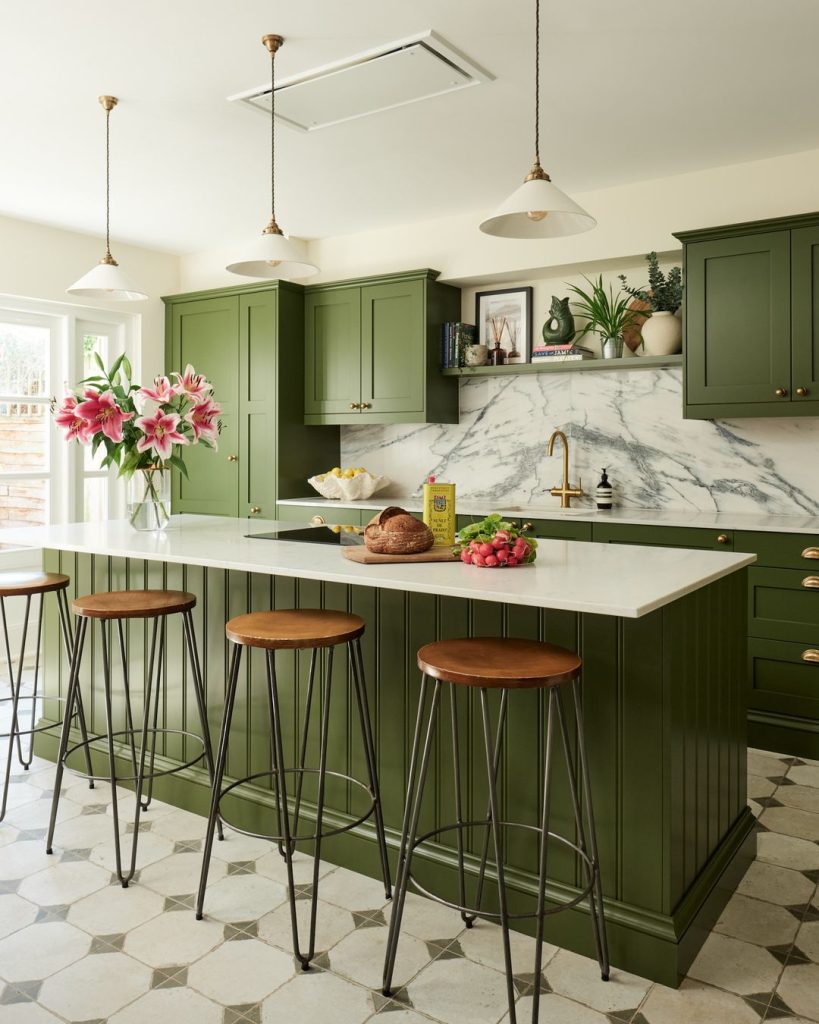 In the realm of kitchen remodeling success stories, the Williams family stands out for their commitment to sustainability. Eager to reduce their environmental footprint, they chose eco-friendly materials and energy-efficient appliances. The Williams’ kitchen now serves as a testament to the idea that going green can be both responsible and luxurious. From bamboo flooring to recycled glass countertops, every element was chosen with a dedication to a greener lifestyle. Their success story underscores the notion that a kitchen remodel can be a chance to align your space with your values. From a drab and outdated kitchen to a fabulously rejuvenated space, these success stories share a common thread of vision, planning, and dedication. Each family recognized the potential for transformation and turned their culinary dreams into reality. Whether it is a sleek modernization, a functional redesign, a strategic facelift, or a commitment to sustainability, these tales of kitchen remodeling triumphs inspire us to see our kitchens not just as functional areas but as reflections of our personal style and aspirations.